
High Net Worth Divorce: Privacy, Media & Business Protection
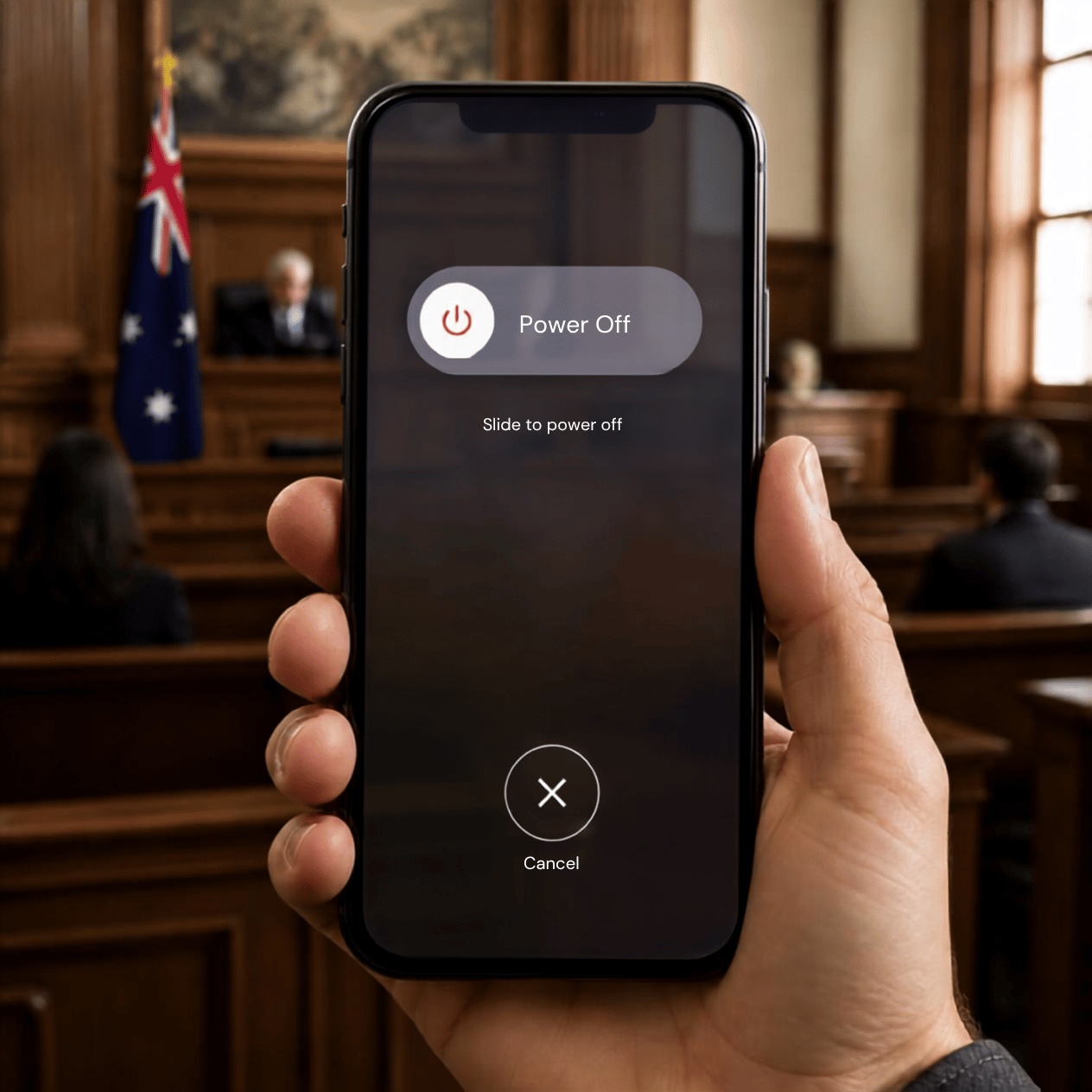
Family law proceedings in Australia are generally heard in open court. However, the Court has broad powers to restrict attendance, suppress identifying information, and it is a criminal offence to publish material that identifies a party in most family law matters. For individuals with a public profile or significant business interests, these protections, combined with early planning around social media, financial disclosure and confidentiality, can help minimise unnecessary exposure. Here's how privacy, media, evidence and commercially sensitive information are managed during a high net worth separation.
If you are a business leader, founder, professional athlete, or anyone with a public profile, separation brings challenges beyond the usual legal and emotional complexity. You may be worried about your privacy, your business interests, and what happens to sensitive information if your matter goes to court.
The Federal Circuit and Family Court of Australia (“the Court”) and the Family Law Act 1975 (Cth) (“the Act”) does provide real protections. With early advice and careful planning, you can understand your exposure and take steps to manage it
Are Family Law Proceedings Private?
This is a common question clients with a public profile ask, and the answer is more nuanced than most people expect.
At default, under s 97(1) of the Family Law Act, proceedings in the Court are heard in open court. For purposes of open justice, transparency, and accountability, members of the public can attend your hearing. For most people this is not a practical concern, but if you are well known, you could be seen and recognised.
However, under s 97(2), the Court has the power to exclude specific persons from the courtroom and, in appropriate cases, order that only the parties and their lawyers may be present. In exceptional cases, you may also be able to apply for a suppression order, which can provide a range of relief where publication would cause serious harm. Orders can be made including that the parties be allocated pseudonyms to be used in Court and on Court lists, and their names can be kept from the public Court list altogether. If this is a concern, it should be raised with your lawyer early.
There are also strict restrictions on what can be published. Part XIVB of the Family Law Act 1975 (Cth), which replaced the former s 121 on 6 May 2024, makes it an indictable offence to communicate to the public an account of proceedings that identifies a party, a witness, or a person associated with a party. The maximum penalty is 12 months' imprisonment. This applies to traditional media, social media and online commentary.
Private conversations are not caught. In the absence of an order explicitly providing otherwise, speaking with a close family member or trusted friend about your matter does not usually, without more, amount to a contravention.
Can Social Media Be Used as Evidence?
Yes, and it is one of the most common issues in modern family law practice.
Anything you post, send or share digitally can be tendered as evidence. Examples we regularly see include:
Social media posts: A holiday photo or evidence of lifestyle spending that contradicts your financial disclosure.
Text messages and messaging apps: Messages about parenting, finances or the relationship, whether with the other party or a third person.
Location and device data: GPS and location-sharing records used to challenge claims about living arrangements or movements.
You should treat every digital communication as potentially discoverable. Do not delete messages or posts. Strategically, you could appear to be making an attempt to destruct evidence. Instead, be deliberate about what you create going forward. You should instruct your lawyer to review your social media, messaging apps and location-sharing settings early.
Protecting Business Interests and Commercially Sensitive Information
For executives, founders and business owners, a key concern is what happens to sensitive commercial information within the proceedings.
Family law requires full and frank financial disclosure of all financial interests, including interests in companies, trusts and other structures. For clients with complex business interests, this can involve producing commercially sensitive material such as company accounts, shareholder agreements, trust deeds and valuations.
The publication restrictions under Part XIVB apply to this material. It does not become public simply because it is disclosed in proceedings. However, it is shared with the other party and their legal team, and in some cases with court-appointed experts. If you are concerned about how sensitive material will be handled, raise this early. Practical steps including confidentiality undertakings and restricted access arrangements can be put in place.
It is also worth considering whether corporate governance obligations require you to inform business partners, co-directors or a board. Your lawyer can advise on how to manage that.
Practical Steps to Take Early
Get legal advice before you formally separate. Early advice allows you to understand your position and take protective steps.
Understand how open court works. Discuss with your lawyer whether an application under s 97(2) to restrict attendance is appropriate.
Review your digital footprint. Consider your social media, messaging apps and location-sharing settings with care.
Plan for financial disclosure. If you have complex business interests, understanding what you will need to disclose helps you plan ahead.
Consider corporate obligations. Disclosure to boards or stakeholders may be required in some cases.
How We Can Help
Separation is challenging in any circumstances. When you have a public profile or significant business interests, there are additional issues to navigate. With early planning and the right advice, those risks can be managed and you can move forward with confidence.
Frequently Asked Questions (FAQs)
-
Family law proceedings are heard in open court by default (s 97(1)), so the public can attend. However, the Court can exclude people under s 97(2), and in exceptional cases make suppression orders and allocate pseudonyms so parties are not identified on the public court list.
-
Yes. Anything you post, send or share digitally - social media posts, messages, and location or device data - can be tendered as evidence. You should not delete anything, as this can appear to be destroying evidence.
-
Yes. Under Part XIVB of the Family Law Act 1975 (which replaced s 121 on 6 May 2024), it is an indictable offence to publish an account of proceedings that identifies a party, witness or associated person, with a maximum penalty of 12 months' imprisonment. This covers traditional media, social media and online commentary.
-
Full financial disclosure is required, but disclosed material does not become public - the Part XIVB publication restrictions apply. Confidentiality undertakings and restricted-access arrangements can further limit how sensitive material such as company accounts, trust deeds and valuations is handled.
Need Advice?
Contact Dorter Family Lawyers & Mediators for confidential advice tailored to your circumstances.
Prepared by Iona McCall at Dorter Family Lawyers & Mediators. This article provides general information only and does not constitute legal advice.
